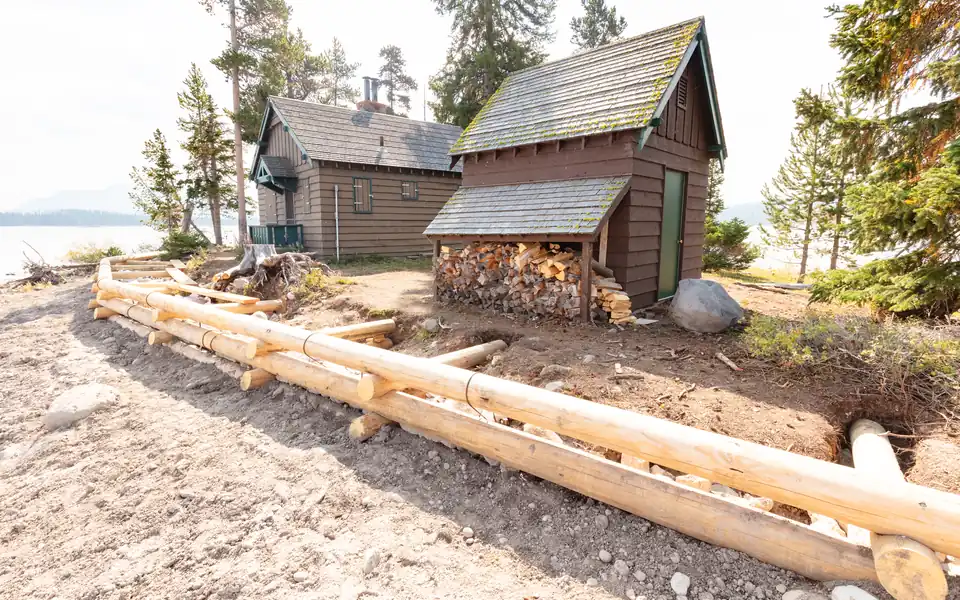
A retaining wall can change gradually before a major failure. Visible movement does not tell you the cause by itself, but certain conditions deserve evaluation.
What can cause similar warning signs?
Drainage failure, inadequate base preparation, weak or deteriorated materials, erosion, slope movement, surcharge from vehicles or structures, tree roots, freeze-thaw exposure, and original design limits can overlap. That is why the visible symptom should start an evaluation rather than serve as a remote diagnosis.
What to document before calling
- Approximate wall height and material.
- Where leaning, cracking, bulging, settlement, or washout appears.
- Whether changes followed heavy rain, construction, drainage changes, or a storm.
- What sits above the wall: yard, driveway, parking, building, fence, or another slope.
- Photos from a safe location that show the full wall and close-up details.
Find the local version of this guide
Local pages add county or market-specific conditions, public-process context, and independent provider options.
Buncombe County / Asheville
Mountain-slope conditions, Buncombe retaining-wall ordinance context, repair decisions, and independent providers.
Haywood County / Waynesville
Waynesville, Maggie Valley, Canton and Haywood mountain properties, permitting context, and independent providers.
Henderson County / Hendersonville
Hendersonville, Flat Rock, Fletcher and Henderson County retaining-wall repair and provider research.
Want to learn more?
These practical and official resources can help you understand the issue and prepare better questions before hiring.
FHWA: retaining-wall block distress and drainage exposure
See documented patterns of moisture-related distress and drainage exposure in segmental retaining-wall blocks.
Official resource ↗Buncombe County retaining-wall ordinance
See why local wall height, engineering, and permit thresholds can change the project path.
Official resource ↗Haywood County: who permits what
Check local responsibility for retaining-wall permits and inspections in Haywood County.
Official resource ↗