Featured Local Provider
Appalachian Earthworx
Buncombe County, Asheville, Fairview and surrounding Western North Carolina
Home Problems Guide selected Appalachian Earthworx as a useful first contact for this guide after reviewing current public evidence of exact-service capability and local market fit. Featured status is editorial, not a guarantee of project fit.
Understand the Problem
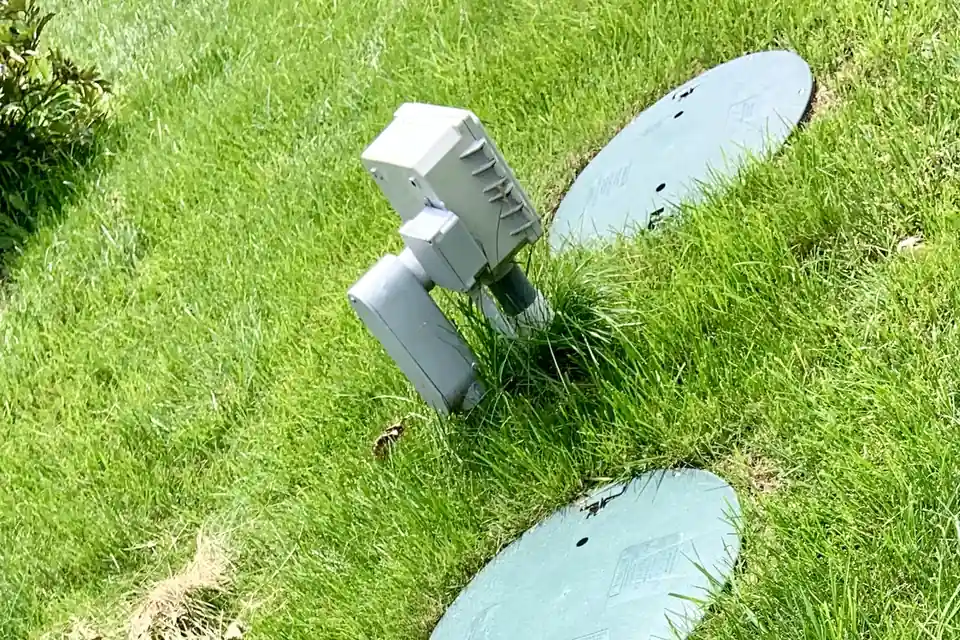
What a failing drain field or septic problem looks like in Buncombe County and Asheville
Homeowners searching for drain field repair in Asheville, a septic problem in Buncombe County, or wet spots over a drain field in Black Mountain or Candler often start with the same observations. Common malfunction indicators that warrant evaluation include wet areas in the yard, plumbing that drains slowly, sewage backing up into the house, sewage odor, and unusually green grass over the tank or field.
This page does not diagnose drain-field failure. Slow drains, odors, wet ground, or backups can also come from interior clogs, a full tank, damaged lines, distribution problems, or stormwater on a steep mountain lot. An on-site evaluation is required before anyone can identify the cause.
Buncombe County / Asheville Rules & Repair Options
Repair versus replacement for mountain properties in Buncombe County
When a conventional drain field on a steep slope or limited-area lot in Buncombe County stops accepting wastewater permanently, the path is rarely “one standard repair.” A qualified provider may inspect the tank, piping, distribution system, field area, water use, and county records. Outcomes range from component repair to full septic system replacement with an alternative design.
| Project path | When it may be discussed in Buncombe County |
|---|---|
| Component or line repair | A pipe, distribution box, pump, baffle, or access problem is the identifiable issue—not the entire absorption area. |
| Drain field repair or partial work | County findings support correcting a defined damaged area under the free repair evaluation path. |
| Drain field replacement | The existing field no longer functions reliably and an approved replacement area is available on the lot. |
| Full or alternative septic system | Soil, steep slope, space, tank condition, or rules require broader septic system replacement—often low-pressure pipe (LPP), drip, or mound designs after soil evaluation. |
Alternative septic systems are common on mountain properties in Asheville, Black Mountain, Weaverville, and the rest of Buncombe County because conventional trench fields need adequate soil depth, usable area, and suitable slopes. When those conditions are missing after soil evaluation, engineered options may be required. Mountain lots frequently use the Authorized Onsite Wastewater Evaluator (AOWE) private pathway for evaluation and design.
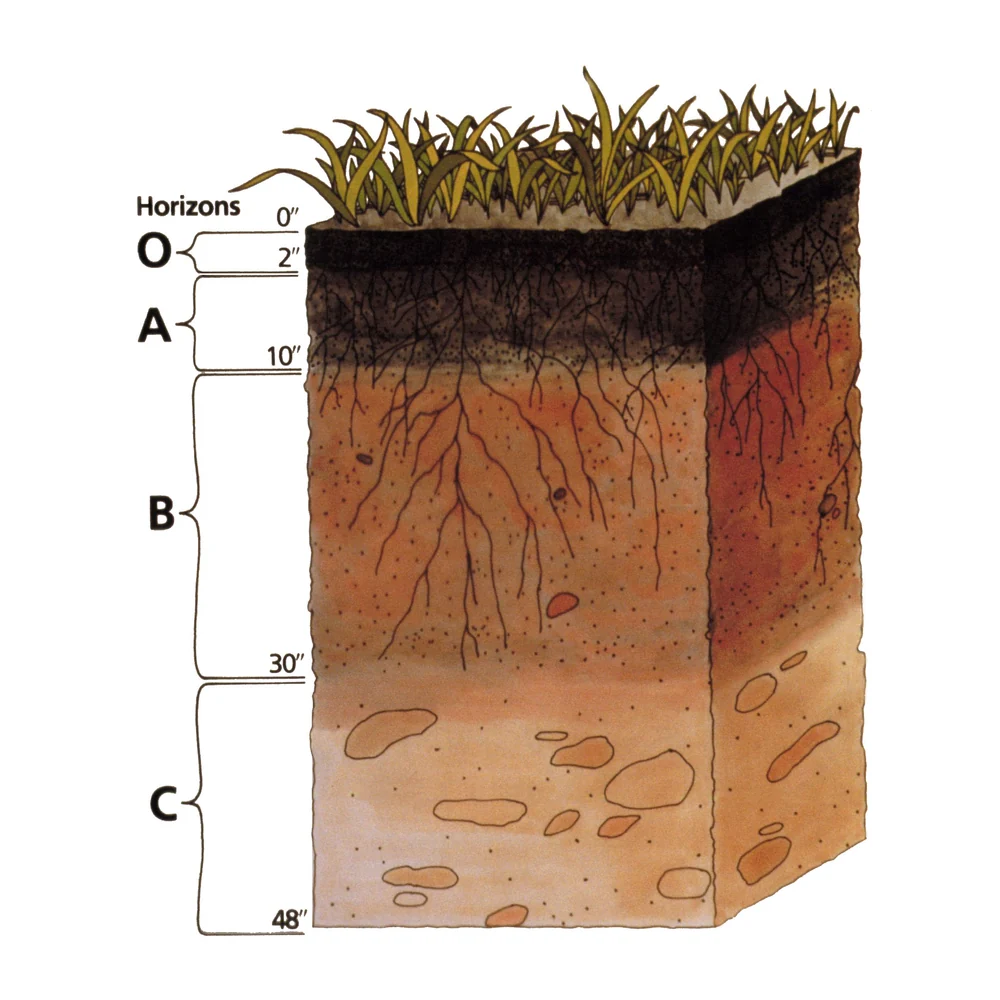
Compare drain-field repair versus replacement in more detail →
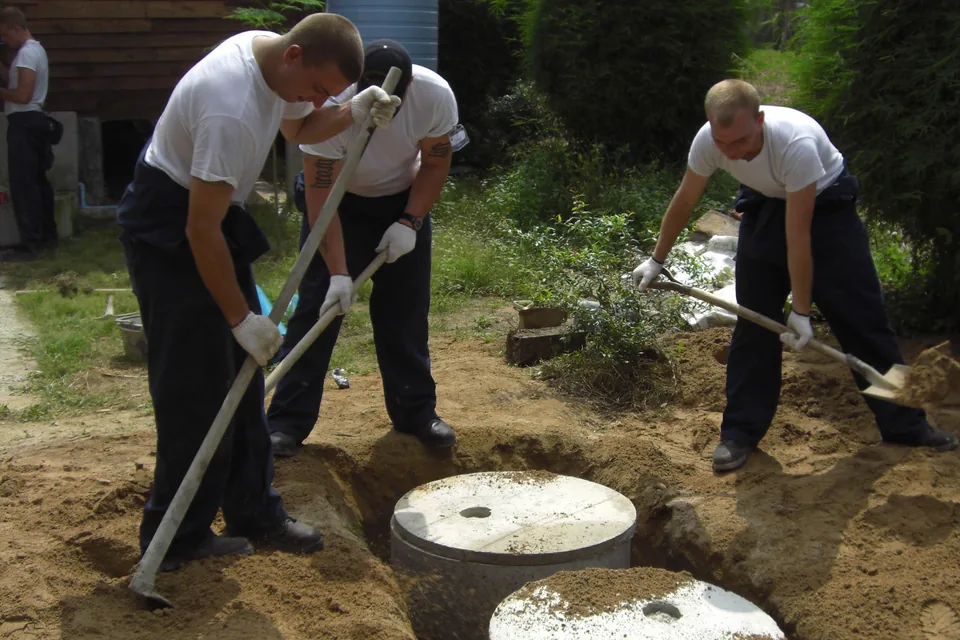
Buncombe County septic repair and replacement process
Buncombe County Environmental Health is responsible for septic permitting in the County. For a malfunctioning system, the current County guidance says to call Environmental Health first to request a permit. An Environmental Health Specialist evaluates possible causes and determines corrective action; the result can range from a limited component correction to designing and installing a new system.
Broader new-system or replacement work follows the applicable Improvement Permit and Authorization to Construct pathway. Buncombe also publishes private permitting options, including engineered and Authorized On-Site Wastewater Evaluator pathways when appropriate.
Current Environmental Health office: 35 Woodfin St, Asheville, NC 28801 · (828) 250-5016.
Current assistance: verify availability rather than relying on an expired program
Buncombe's public site still exposes historical Septic Repair Assistance Program material with a January 2023 application deadline. Do not assume that program is currently open. If repair cost is a hardship, ask Environmental Health and current Buncombe homeowner/disaster-recovery programs what assistance is presently available for the property and project.
Cost
Current 2026 Buncombe County planning ranges
| Possible scope | Planning range |
|---|---|
| Repair to a septic part or short pipe | $500–$5,000 |
| Partial drain-field work | $3,000–$15,000 |
| Full drain-field or system replacement with a standard system | $7,000–$26,000 |
| Septic system designed for special site needs | $10,000–$30,000+ |
These are local planning ranges, not Appalachian Earthworx prices and not contractor quotes. The estimator uses the same current market data and then asks only for details that matter to the repair path you select.
What commonly moves the final number
| Cost driver | Why it matters |
|---|---|
| Soil, slope and rock | Can change excavation, usable area and the system type the site can support. |
| Access and restoration | Machine access, hauling, grading, landscaping and driveway protection can materially change the scope. |
| Alternative / engineered design | LPP, drip, mound or other approved systems can cost more than a conventional replacement. |
| Tank, pumps and electrical components | Existing components may be reusable, repairable or part of the replacement scope. |
Evidence reviewed September 10, 2026. Planning inputs include current Western North Carolina contractor-published septic repair/replacement guidance, Asheville-area septic line-repair evidence, current independent cost cross-checks, and Buncombe County permitting information. The estimator does not add a fixed mountain surcharge or automatically add permit fees.
Find & Compare Contractors
Comparison providers serving Buncombe County / Asheville
Compare the scope, not just the total
| Ask each estimator | Why it matters |
|---|---|
| What did the County/site evaluation establish about the repair or replacement path? | Keeps a repair estimate tied to the approved system/site rather than a symptom-only assumption. |
| Which onsite-wastewater certification level applies to this system? | North Carolina now uses Grade Level II and Grade Level IV installer certifications; verify the current credential and scope. |
| Who handles permit paperwork and required inspections? | Responsibility should be explicit before excavation or installation begins. |
| What is included for excavation, hauling, grading and restoration? | Two septic proposals can have similar system work but very different site-restoration scope. |
| What tank, pump, distribution or electrical work is included or excluded? | Component assumptions can materially change the final project total. |
| What happens if soil/site conditions require a different approved design? | Alternative or engineered systems can change both scope and cost. |
Asheville Septic & Well
Public materials cover drain-field repair, installation, and component work and explicitly list service across Buncombe County communities.
Asheville Septic Co
Public materials focus on septic system replacement and failure-related evaluation content for Asheville and Buncombe County properties.
Viking Environmental
Public materials describe 24/7 emergency and repair presence, pumping, inspections, installation, and repair across Buncombe County communities.
A Absolute Septic Service
Level IV Onsite Wastewater Contractor and Inspector based in Candler. Public listings describe septic services for Western North Carolina properties.
RPB Systems Inc
Level IV Onsite Wastewater Contractor and Inspector. Public materials describe water and wastewater system installation, repair, and maintenance for Asheville-area clients.
Evans Septic & Excavating
Level IV Onsite Wastewater Contractor. Public materials list septic pumping, inspections, installations, and excavating services in the Asheville area.
Burleson-related operators (Weaverville area)
Public NCOWCICB-related listings note Level IV operator presence in the Weaverville area of Buncombe County. Confirm current certification and service territory directly.
North Buncombe Septic Service
Weaverville-based public operator. Public materials list residential and commercial septic pumping, inspection, repairs, and Level IV installation work.
Able Septic Tank Service
Public materials list residential and commercial septic pumping and related septic tank services for Asheville-area properties.
Business information can change. Send a factual correction through the contact page. Home Problems Guide does not recommend, endorse, or screen any provider.
How to move forward with a Buncombe County septic problem
1. Record what you can observe
Note wet areas, odors, backups, pumping history, property access, and any inspection notice—without assuming the drain field in Asheville or elsewhere in Buncombe County has already failed.
2. Check the county permit path
For drain field repair in Buncombe County, start with Environmental Health (35 Woodfin Street, Asheville). Repair uses the free repair evaluation path on the published schedule; major septic system replacement generally needs soil evaluation, an Improvement Permit, and Authorization to Construct. Ask whether public assistance programs may apply.
3. Compare local providers
Use the independent directory to review providers that publicly advertise relevant work, then contact candidates directly for evaluation or estimates.
Frequently Asked Questions
Does a slow drain mean the drain field failed in Asheville?
No. In Asheville and Buncombe County—including Black Mountain, Weaverville, Candler, Fairview, and Swannanoa—slow drains, odors, wet ground, or backups can come from a clog, full tank, damaged component, or a field problem. These signs warrant evaluation; they are not proof of drain-field failure from a webpage.
Can pumping fix a failing septic system in Buncombe County?
Pumping is essential maintenance and may temporarily relieve a backup, but it does not restore a drain field that no longer accepts wastewater. If symptoms return soon after pumping on an Asheville-area or mountain property, further evaluation is usually needed.
Do I need a permit for drain field repair in Buncombe County?
Yes. Buncombe County Environmental Health handles onsite wastewater permitting. For a malfunctioning system, the current County guidance says to call Environmental Health first to request a repair permit and evaluation. Verify the active repair fee in the current County fee schedule. Confirm current practice and fees with the county before work begins.
Why do so many Asheville-area properties need alternative septic systems?
Steep slopes, limited usable area, thin or variable soils over bedrock, clay-heavy soils, high rainfall, and seasonal saturation are common across Buncombe County mountain lots. After soil evaluation, conventional trench fields are often impractical, so designs such as low-pressure pipe (LPP), drip, or mound systems may be required. Many mountain lots use the Authorized Onsite Wastewater Evaluator (AOWE) private pathway.
What does septic repair or replacement cost in Buncombe County?
As of 2026, local planning ranges run about $500–$5,000 for a specific septic part or short pipe, $3,000–$15,000 for partial drain-field work, $7,000–$26,000 for a full standard drain-field or system replacement, and $10,000–$30,000+ for a septic system designed for special site needs. Actual bids depend on the confirmed repair, soil, slope, usable space, equipment access and restoration. Use the local estimator for a range based on the details you know.
Is there financial help for septic repair in Asheville or Buncombe County?
Buncombe County still publishes historical Septic Repair Assistance Program material with a January 2023 deadline, so homeowners should not assume that program is currently open. Ask Environmental Health and current County homeowner/disaster-recovery programs what assistance is presently available.
What should I do if I have sewage in the yard in Asheville?
Keep people and pets away from surfacing wastewater. Reduce indoor water use. Contact a qualified septic professional and Buncombe County Environmental Health as needed. Home Problems Guide cannot determine safety or system failure from a webpage.
How should I use the provider directory?
Use the directory as a starting point for your own comparison. Contact providers directly to confirm current services, credentials, service area, availability, and project fit. Home Problems Guide does not currently collect or route project requests on this page.
Helpful official and practical sources
Buncombe County Environmental Health
Current septic-repair permit guidance, application links, office contact and current fee-schedule link.
Official resource ↗NC onsite-wastewater installer rules
Current certification structure, 18E rule link and licensing-scope guidance.
Official board resource ↗Verify current installer certification
Use the certification board's current public lists when checking an installer or inspector.
Official board resource ↗2026 drain-field cost guide
Independent national planning ranges used as a current cost cross-check.
Practical source ↗Current drain-field cost cross-check
Independent 2026 repair and replacement planning ranges used to cross-check regional evidence.
Practical source ↗