Keep people and pets away from surfacing wastewater. Untreated wastewater may contain pathogens. Avoid contact and contact a qualified local professional or health department.
Common observable warning signs
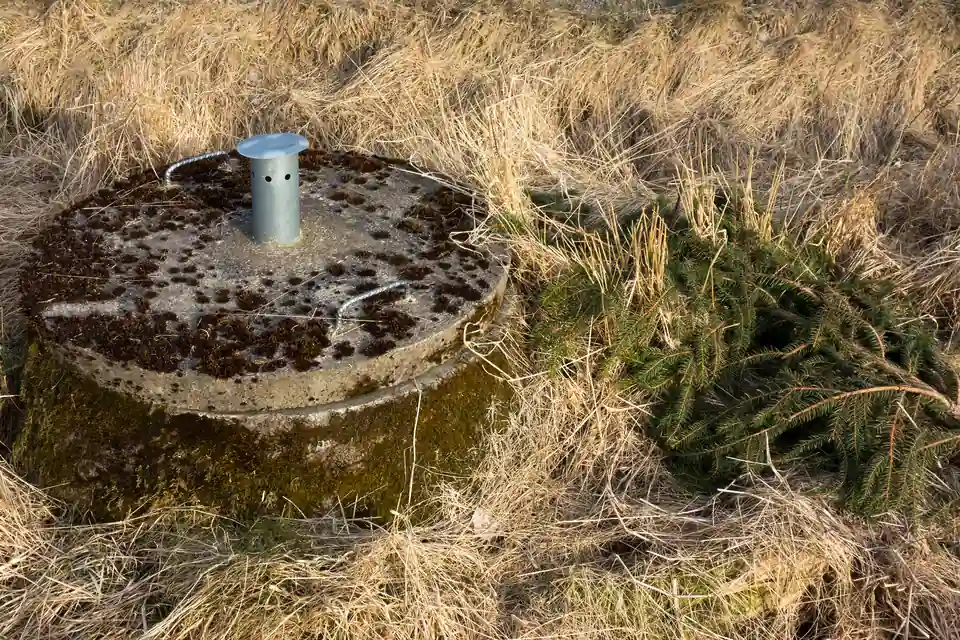
Wastewater backs up or drains gurgleBackups can have more than one cause, but repeated whole-house symptoms may involve the septic system.
Soft, wet, or spongy soilWet ground over the drain field during otherwise dry conditions is a recognized malfunction signal.
Strong odor near the tank or fieldOdor can accompany a malfunction, although the absence of odor does not prove the system is working.
Unusually green growthBright or lush grass over a specific field area—especially during dry weather—can warrant evaluation.
Why these signs are not a remote diagnosis
Slow drains can result from an interior clog. Wet soil can result from rain, grading, a water-line leak, or another drainage source. A qualified professional may need to inspect the tank, distribution components, field area, system records, soil conditions, and household water use before identifying the cause.
Why drain fields can malfunction
- Hydraulic overloading from excessive household water use or leaks
- Solids reaching and clogging the soil absorption area
- Inadequate maintenance or damaged system components
- Compaction from vehicles, construction, or heavy activity over the field
- Roots, unsuitable site conditions, age, or a system no longer matched to the home’s use
What to do next
- Reduce unnecessary water use until the system is evaluated.
- Do not drive, excavate, or place heavy equipment over the drain field.
- Locate your septic permit and previous service records if available.
- Contact a qualified septic provider and ask whether county authorization is required before repair.
- Do not accept a major repair plan based only on a telephone description.
North Carolina requirement: NC State Extension advises homeowners to obtain a health-department permit before repairing a failing septic system.
Local next steps: Mountain and piedmont sites can differ in soil depth, slope, and system design. For major repair or replacement research, see the Hickory / Catawba County guide, the Haywood County guide, or the Buncombe County / Asheville guide.
Want to learn more?
These official and practical resources can help you check current local requirements, understand site conditions, and prepare better questions before you hire.
If you are already researching possible repair costs in Hickory or Catawba County, use the free 2026 septic cost estimator for a regional planning range; it does not diagnose the cause of the symptoms.